In today’s world, energy efficiency has become a top priority for homeowners seeking to reduce utility bills, increase comfort, and minimize environmental impact. Making a home more energy efficient is not only beneficial for your wallet but also contributes to a healthier planet by lowering overall energy consumption. Many homeowners, however, feel overwhelmed by the idea of upgrading their homes, assuming it requires expensive overhauls or complicated projects. The good news is that boosting energy efficiency can be achieved through simple improvements and smart choices that make a noticeable difference.
Energy waste can occur in many forms, from drafts and leaks to inefficient appliances and systems that use more energy than necessary. Often, addressing these issues involves routine maintenance, small repairs, or thoughtful upgrades that pay off in the long run. The key is to identify the areas where energy loss is happening and take targeted actions that improve insulation, optimize heating and cooling, fix leaks, and update older components.
In addition to lowering bills, making your home more energy efficient improves indoor comfort by maintaining consistent temperatures, reducing drafts, and improving air quality. It also enhances the value of your property, making it more attractive to future buyers. Furthermore, energy efficiency contributes to sustainability efforts by reducing carbon footprints and dependence on fossil fuels.
This article explores a variety of straightforward ways homeowners can enhance their home’s energy performance. From fixing common plumbing issues and optimizing heating and cooling systems to addressing insulation gaps and upgrading windows and doors, each section will provide practical guidance to help you take actionable steps toward a more efficient home. Whether you’re a seasoned DIYer or prefer to hire professionals, these tips will empower you to make informed decisions that benefit your household and the environment.
Fixing Common Household Issues to Prevent Energy Waste
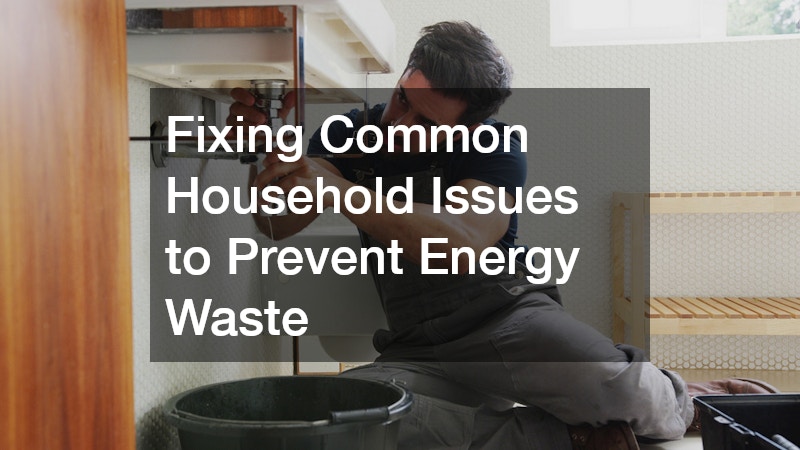
One of the simplest yet most effective ways to boost energy efficiency is by addressing everyday household issues that often go unnoticed. Plumbing problems such as leaks, dripping faucets, or running toilets can waste significant amounts of water and, in turn, increase your utility bills. Beyond water waste, leaks within pipes and fixtures can also cause heat loss, especially if hot water pipes are affected.
Regularly inspecting your plumbing system and repairing leaks promptly prevents unnecessary energy consumption. For example, a leaking hot water pipe forces your water heater to work harder, using more energy to maintain desired temperatures. Replacing old or inefficient fixtures with water-saving models can also reduce water usage and the energy needed to heat water.
Sealing gaps around sinks and pipes where they penetrate walls or floors prevents warm or cool air from escaping, reducing heating and cooling costs. In some cases, upgrading to a tankless water heater or a high-efficiency model can offer substantial energy savings over traditional units.
Overall, plumbers play a crucial role in maintaining the efficiency of your home’s water systems. Regular maintenance and timely repairs not only conserve water but also reduce the energy required for heating, supporting a more efficient and sustainable home environment.
Optimizing Your Home’s Temperature Control Systems
Heating and air conditioning systems account for a significant portion of household energy consumption. Optimizing these systems ensures your home remains comfortable year-round without wasting energy or money. Simple steps like regular maintenance, changing filters, and programming thermostats can greatly improve efficiency.
Scheduling annual inspections with HVAC professionals helps keep your systems running smoothly. They can identify worn components, clean ducts, and adjust settings to ensure your heater or air conditioner operates at peak performance. Neglecting maintenance often leads to inefficiencies that cause energy waste and increase the risk of costly breakdowns.
Upgrading to a programmable thermostat allows you to control temperatures based on your daily schedule, reducing energy use when no one is home or during sleeping hours. For example, lowering the thermostat a few degrees in winter or raising it in summer can translate into meaningful savings over time.
Properly sealing and insulating ductwork prevents conditioned air from leaking into unoccupied spaces like attics or crawl spaces. This ensures that warm or cool air reaches the intended rooms without loss.
By optimizing your heating and cooling systems through maintenance, smart controls, and sealing, you create a more energy-efficient environment that reduces costs and improves comfort.
Detecting and Repairing Hidden Water Problems
Water heater leaks and other hidden water problems can silently undermine your home’s energy efficiency. A leaking water heater wastes energy by constantly reheating water that escapes the tank, increasing your utility bills and posing risks of water damage.
Detecting leaks early requires vigilance. Look for puddles or dampness around your water heater, unusual noises, or a sudden drop in water temperature. If you suspect a leak, have a professional inspect the unit promptly.
In addition to leaks in the water heater, hidden leaks in pipes or fixtures can increase water and energy waste. Small drip leaks can add up over time, resulting in higher water heating costs.
Replacing older water heaters with energy-efficient models or tankless systems reduces standby heat loss and provides hot water on demand, cutting energy consumption.
Timely repair and replacement of water systems prevent energy waste, protect your home from damage, and ensure reliable hot water supply.
Enhancing Your Living Space With Energy-Saving Renovations

Home remodeling companies offer valuable services that can transform your living space while boosting energy efficiency. Whether you’re renovating a single room or undertaking a whole-home makeover, there are numerous opportunities to incorporate energy-saving upgrades.
Installing energy-efficient windows and doors during a remodel improves insulation and reduces drafts, keeping your home warmer in winter and cooler in summer. Modern windows often feature double or triple panes with low-emissivity coatings that reflect heat, while insulated doors provide tight seals against air leaks.
Updating your kitchen or bathroom with energy-efficient appliances, low-flow fixtures, and LED lighting further reduces energy consumption. Adding insulation to walls, ceilings, or floors during renovations enhances thermal performance and comfort.
Incorporating smart home technologies, such as programmable thermostats or automated lighting, helps you control energy use more effectively.
Working with an experienced home remodeling company ensures that these improvements are integrated seamlessly and performed to high standards, maximizing your home’s energy efficiency and value.
Choosing Professionals Who Improve Home Efficiency
Selecting heating and air conditioning companies with expertise in energy efficiency is crucial for achieving the best results. Not all service providers prioritize energy-saving solutions, so it’s important to find companies that offer comprehensive assessments and recommend upgrades tailored to your home’s needs.
Qualified professionals conduct energy audits, evaluate your HVAC system’s performance, and suggest improvements such as system replacements, duct sealing, or zoning controls. They can also advise on energy-efficient equipment that meets current standards.
Working with trusted companies ensures proper installation, maintenance, and repairs that extend the life of your systems and keep them operating efficiently.
Before hiring, research reviews, certifications, and energy-saving commitments of companies in your area. Partnering with knowledgeable providers supports long-term energy savings and comfort.
Upgrading Electrical Systems for Safer, Smarter Energy Use
Electrical systems play a vital role in your home’s energy consumption, and upgrading outdated wiring or panels can improve safety and efficiency. Older electrical components may not support modern energy-saving technologies and can pose fire risks.
Electricians can assess your system and recommend upgrades such as installing energy-efficient lighting, smart switches, or electrical panels that handle higher loads with better efficiency. Upgrading to LED lighting throughout your home reduces electricity use dramatically compared to incandescent bulbs.
Smart home electrical devices allow you to monitor and control energy usage remotely, turning off appliances when not in use and optimizing consumption.
Proper electrical upgrades not only improve safety but also help you manage energy use more effectively, contributing to a greener home.
Improving Comfort With Expert Insulation Solutions

Proper insulation is the cornerstone of energy efficiency. Working with an insulation company ensures that your home is adequately insulated to prevent heat loss in winter and heat gain in summer.
Experts evaluate your home’s insulation levels and identify areas that need improvement, such as attics, walls, floors, or basements. Upgrading insulation with modern materials improves thermal resistance and reduces energy bills.
High-quality insulation also helps reduce noise, prevent moisture buildup, and increase overall comfort.
By investing in expert insulation services, you create a more energy-efficient home that stays comfortable year-round and reduces the workload on your heating and cooling systems.
Addressing Under-Home Spaces to Reduce Energy Loss
Crawl spaces are often overlooked areas that can be major sources of energy loss if not properly insulated. Crawl space insulations help maintain consistent temperatures throughout your home and prevents moisture problems that can damage structures.
Insulating crawl spaces with appropriate materials, such as spray foam or rigid foam boards, seals out drafts and minimizes heat transfer. This also helps protect plumbing pipes from freezing in colder months.
Addressing crawl space insulation as part of your home’s energy efficiency plan ensures better indoor air quality and reduces strain on HVAC systems.
Professional installation guarantees that the insulation is effective and long-lasting, providing peace of mind and cost savings.
Selecting Window Treatments That Help Regulate Indoor Climate
Local window treatments do more than enhance your home’s décor—they play a key role in regulating indoor temperature and reducing energy costs. Shades, blinds, and curtains designed with insulating properties can block heat during summer and retain warmth during winter.
Choosing window coverings made from materials with thermal backing or reflective coatings improves your home’s energy performance. Motorized or automated window treatments allow you to control light and temperature throughout the day without manual adjustment.
Installing window treatments tailored to your climate and home orientation enhances comfort and reduces reliance on heating and cooling systems.
Working with local experts helps you find the best solutions suited to your needs and style preferences.
Investing in Doors That Seal and Protect Your Home

Exterior doors are a frontline defense against energy loss. Investing in quality doors that seal tightly and provide excellent insulation can make a noticeable difference in your home’s energy efficiency.
Modern exterior doors feature weatherstripping, insulated cores, and durable materials that reduce air infiltration and improve thermal performance. Proper installation ensures a snug fit that prevents drafts.
Energy-efficient doors also enhance security and curb appeal, adding value to your home.
Choosing the right exterior door company ensures access to a variety of high-performance options and professional installation that maximizes benefits.
By upgrading your doors, you protect your home from the elements and lower heating and cooling costs year-round.
Boosting your home’s energy efficiency doesn’t have to be complicated or costly. By addressing common household issues like leaks and outdated systems, you can reduce wasted energy and improve comfort. Regular maintenance and timely repairs by qualified plumbers help prevent water and heat loss, saving money and resources. Optimizing your heating and air conditioning systems through professional tune-ups and smart thermostat use ensures that your home stays comfortable without unnecessary energy use.
Detecting hidden water problems, such as water heater leaks, and repairing them promptly protects your home and limits energy waste. When undertaking renovations, incorporating energy-saving features like efficient windows, appliances, and insulation can dramatically improve your home’s performance while enhancing its appearance and value.
Working with experienced professionals, including heating and air conditioning companies, electricians, and insulation specialists, is key to making the most effective upgrades. These experts bring knowledge and skills that ensure your systems run efficiently, safely, and reliably.
Addressing often-overlooked areas like crawl spaces with proper insulation helps maintain consistent temperatures and protects your home’s structure. Window treatments and exterior doors with insulating properties play an important role in regulating indoor climate and preventing drafts, further reducing energy consumption.
Together, these simple improvements form a comprehensive approach to creating a more energy-efficient home. The benefits extend beyond saving on utility bills—they include enhanced comfort, increased property value, and a reduced environmental footprint. By taking proactive steps and investing wisely in upgrades and maintenance, you contribute to a sustainable future while enjoying a cozy and efficient living space.
Whether you choose to tackle some of these projects yourself or hire professionals, the key is to start with an informed plan that targets the areas with the greatest impact. Small changes add up over time, and a commitment to energy efficiency pays dividends for years to come. Your home can become a model of smart energy use and sustainability, providing a healthy, comfortable environment for you and your family while helping to protect the planet.
About the Author
