Key Takeaways
- Adjust thermostat settings based on your daily schedule to reduce unnecessary heating and cooling.
- Seal air leaks and improve insulation to help maintain comfortable indoor temperatures more efficiently.
- Switch frequently used lights to LEDs and reduce unnecessary standby power from electronics.
- Use washing machines, dryers, dishwashers, and other appliances efficiently to lower household energy use.
- Reduce hot water waste with shorter showers, repaired leaks, and efficient fixtures.
- Maintain heating, cooling, and refrigerator equipment so they can operate as intended.
- Track utility usage over time to identify unusual increases and measure the impact of efficiency improvements.
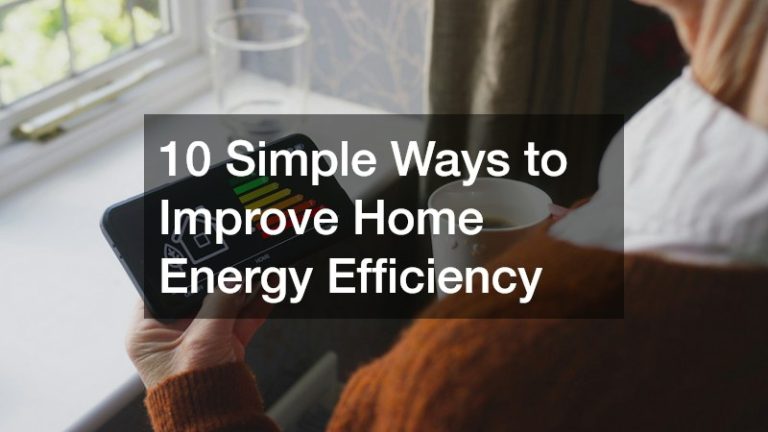
Using less energy at home can lower utility costs and make your household more efficient. You do not always need expensive renovations or new appliances to make a difference. Many improvements involve changing simple habits, adjusting settings, and fixing small areas where energy is being wasted.
The best approach is to look at how your home uses energy throughout the day. Heating and cooling, water heating, lighting, appliances, and electronics can all contribute to monthly energy use. The biggest opportunities for savings will depend on your climate, home, equipment, and daily habits.
Instead of trying to change everything at once, start with a few manageable improvements. Track your utility bills over time and pay attention to seasonal changes. Once you understand where energy is being used, you can decide which improvements are worth making.
Here are 15 practical ways to reduce household energy consumption without giving up everyday comfort.
1. Adjust Your Thermostat
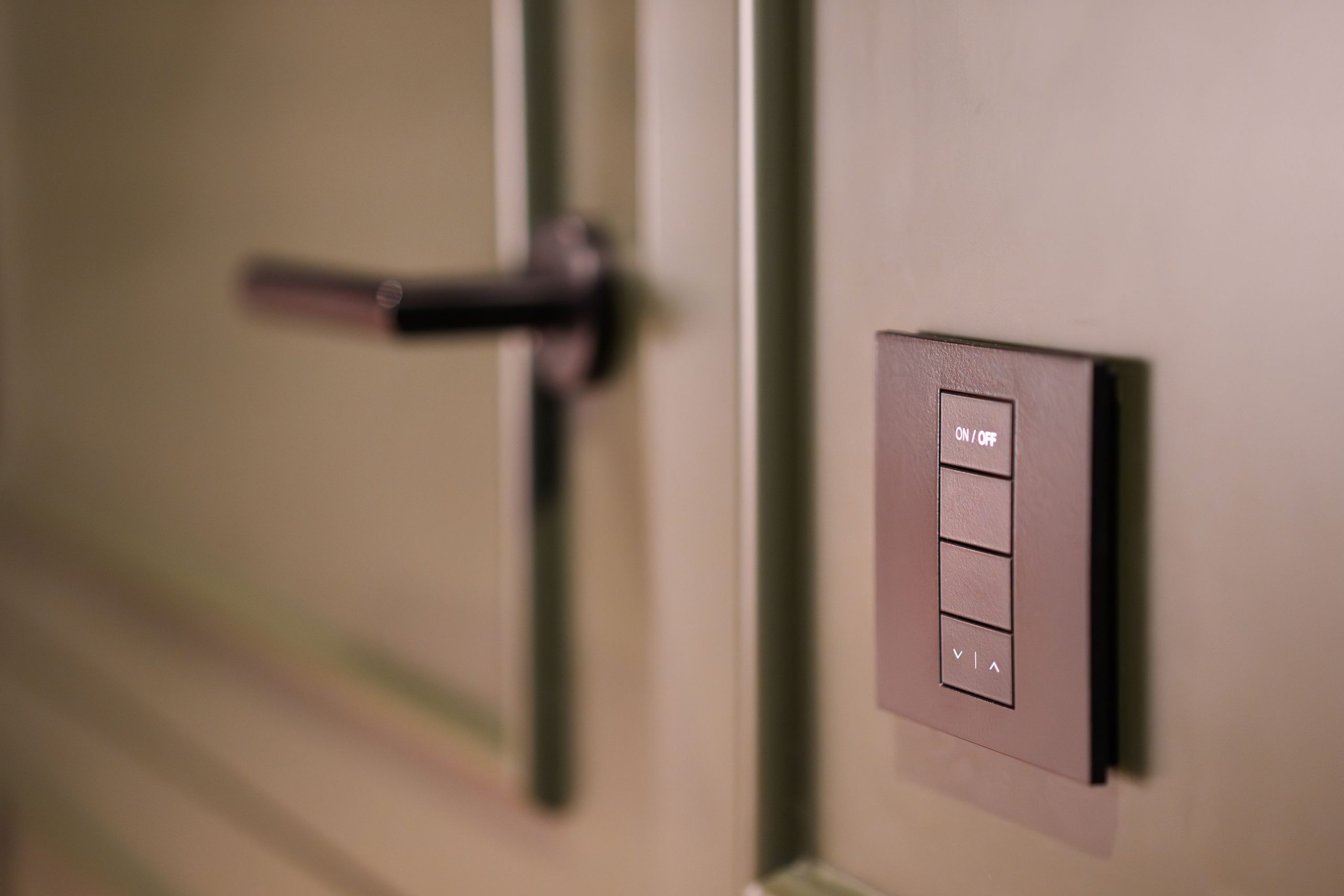
Heating and cooling can represent a major part of household energy use, so thermostat settings are a useful place to start.
Avoid heating or cooling an empty home to the same level you use when everyone is there. Depending on your heating and cooling system, adjusting the temperature when you are sleeping or away may reduce unnecessary energy use.
A programmable or smart thermostat can make these changes easier. You can create a schedule that matches when your household wakes up, leaves, returns, and goes to bed.
Avoid making extreme temperature changes because you expect the house to heat or cool faster. Most systems do not work that way. Instead, choose comfortable settings and make reasonable adjustments based on your schedule and equipment.
2. Seal Air Leaks Around Doors and Windows
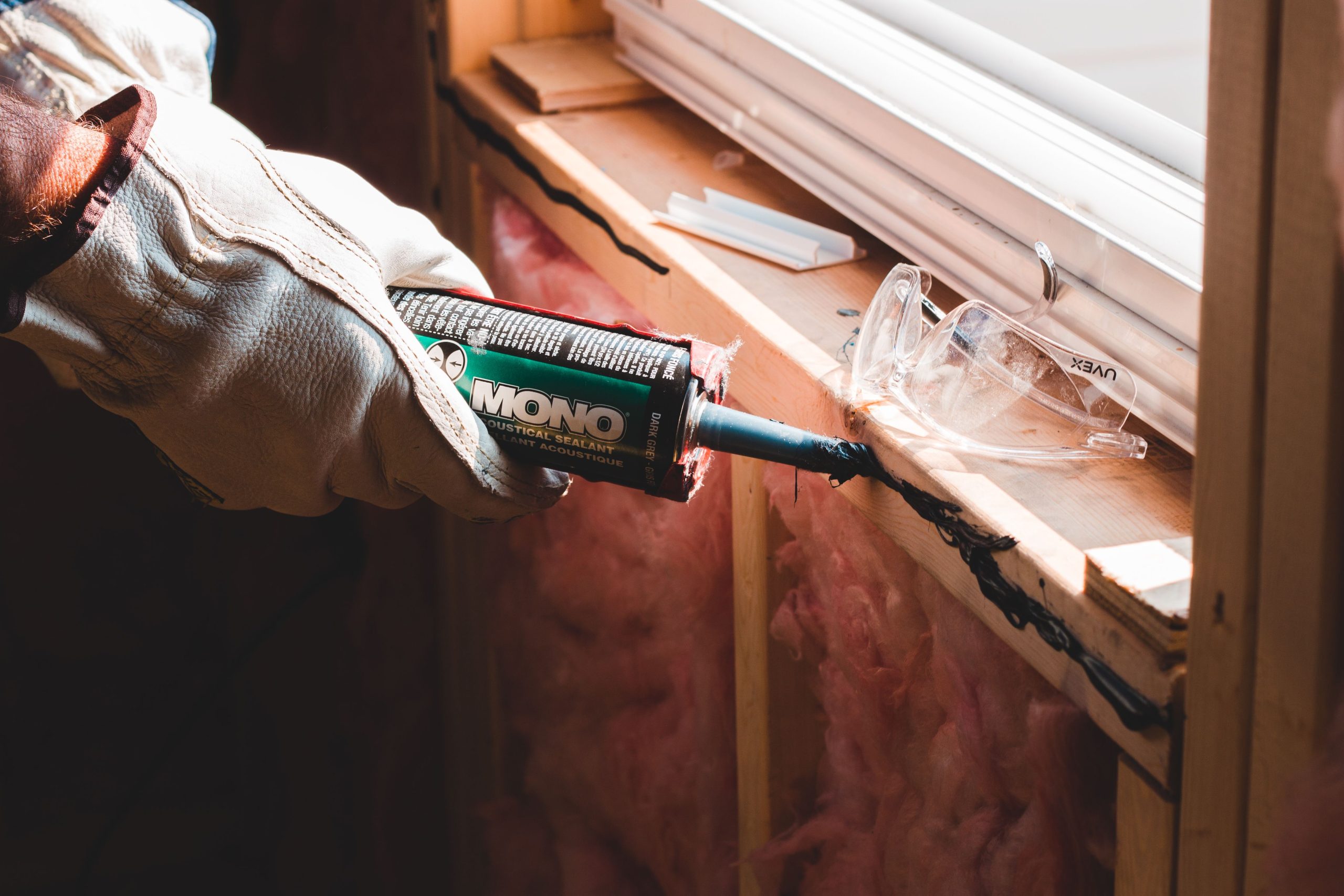
Small gaps around windows, exterior doors, and other openings can allow conditioned air to escape. They may also let outdoor air enter, making your heating or cooling system work harder.
Walk around your home and look for damaged weatherstripping, visible gaps, and areas where you can feel drafts. Common trouble spots include door frames, window frames, attic access points, and openings around pipes or cables.
Weatherstripping and appropriate caulk can solve many minor air leaks at a relatively low cost. Choose products designed for the surface and location where they will be used.
Larger air-sealing projects may require professional help, especially when leaks involve attics, crawl spaces, or areas near combustion equipment.
3. Improve Home Insulation
Insulation helps slow the movement of heat between your home and the outdoors. When insulation is inadequate, indoor temperatures can become harder to maintain.
Attics are often a useful place to investigate because heat can move through the ceiling and roof area. Walls, floors over unconditioned spaces, basements, and crawl spaces may also affect energy performance.
Do not assume that simply adding more insulation will solve every comfort problem. Air leaks, moisture issues, ventilation, and existing insulation conditions should also be considered.
If you are planning larger energy-saving home upgrades, a professional home energy assessment can help identify areas where insulation or air sealing may provide meaningful benefits before you spend money on improvements.
4. Switch to LED Lighting
Lighting is one of the easiest areas to improve without major construction. If your home still uses incandescent bulbs, replacing frequently used bulbs with LEDs can reduce electricity use.
LED bulbs generally use less energy and last longer than traditional incandescent bulbs. They are available in different brightness levels, shapes, and color temperatures, so you can choose options that fit each room.
Start with lights that stay on the longest, such as kitchen, living room, hallway, and outdoor fixtures. There is no need to replace every working bulb immediately if you are trying to control costs.
Remember that turning off lights when a room is empty still matters. Efficient bulbs reduce energy use, but unnecessary lighting still consumes electricity.
5. Reduce Standby Power Use
Some electronics continue using electricity even when they appear to be turned off. Televisions, gaming systems, chargers, computers, and other devices may draw standby power while connected to an outlet.
You do not need to unplug everything in your house every night. Instead, focus on groups of electronics that can easily be disconnected when they are not being used.
A switchable power strip can make this easier. For example, several entertainment devices can be connected to one strip and switched off together when appropriate.
Be careful with equipment that needs continuous power for safety, security, networking, medical use, clocks, or important settings. The goal is to reduce unnecessary standby use without interfering with devices that need to remain active.
6. Use Appliances More Efficiently
The way you use household appliances can affect how much energy they consume. Small changes can add up when repeated throughout the year.
Wait until you have a full load before running the dishwasher when practical. Use appropriate dishwasher settings rather than automatically choosing the longest cycle.
When using an oven, avoid opening the door repeatedly because heat escapes each time. For small meals, a microwave, toaster oven, air fryer, or other smaller appliance may sometimes use less energy than heating a full-size oven, depending on the food and appliance.
Keep appliances clean and maintained according to manufacturer instructions. Equipment that is damaged or poorly maintained may not operate as intended.
7. Wash Clothes With Cooler Water When Appropriate
Heating water requires energy, so laundry habits can affect household consumption.
Many everyday clothing items can be washed effectively in cooler water when the fabric, detergent, and care instructions allow it. Always follow garment labels, especially for items that require specific temperatures for cleaning or sanitation.
Wait for a reasonably full load rather than running the washing machine for only a few items. However, do not overload the machine, since clothes need enough room to move and wash properly.
Select the correct load size and cycle when your washer provides those options. Using more water or a longer cycle than necessary may waste both water and energy.
8. Reduce Clothes Dryer Use
Dryers can use a significant amount of energy, especially in households that do several loads of laundry each week.
Air-dry clothing when practical and appropriate for your home. An outdoor clothesline or indoor drying rack can reduce dryer use for some loads.
When you do use the dryer, clean the lint filter as recommended. A clogged filter can restrict airflow and may also create a safety concern. Dryer vents should also be inspected and maintained properly.
Avoid overdrying clothes. If your machine has a moisture sensor, use it when appropriate so the dryer can stop when clothing is dry instead of continuing for a fixed period.
9. Lower Hot Water Waste
Water heating is another important source of household energy use. Reducing unnecessary hot water use can lower both water and energy consumption.
Shorter showers are a simple place to start. Low-flow showerheads can also reduce the amount of water used while still providing adequate performance when properly selected.
Fix dripping hot-water faucets instead of ignoring them. A small leak can waste water continuously.
If you are considering changing your water heater temperature, check the manufacturer’s guidance and consider household safety needs first. Water that is too hot can increase scalding risk, while temperatures that are too low can create other concerns. Avoid making major adjustments without understanding the recommended settings for your system.
10. Maintain Your Heating and Cooling Equipment
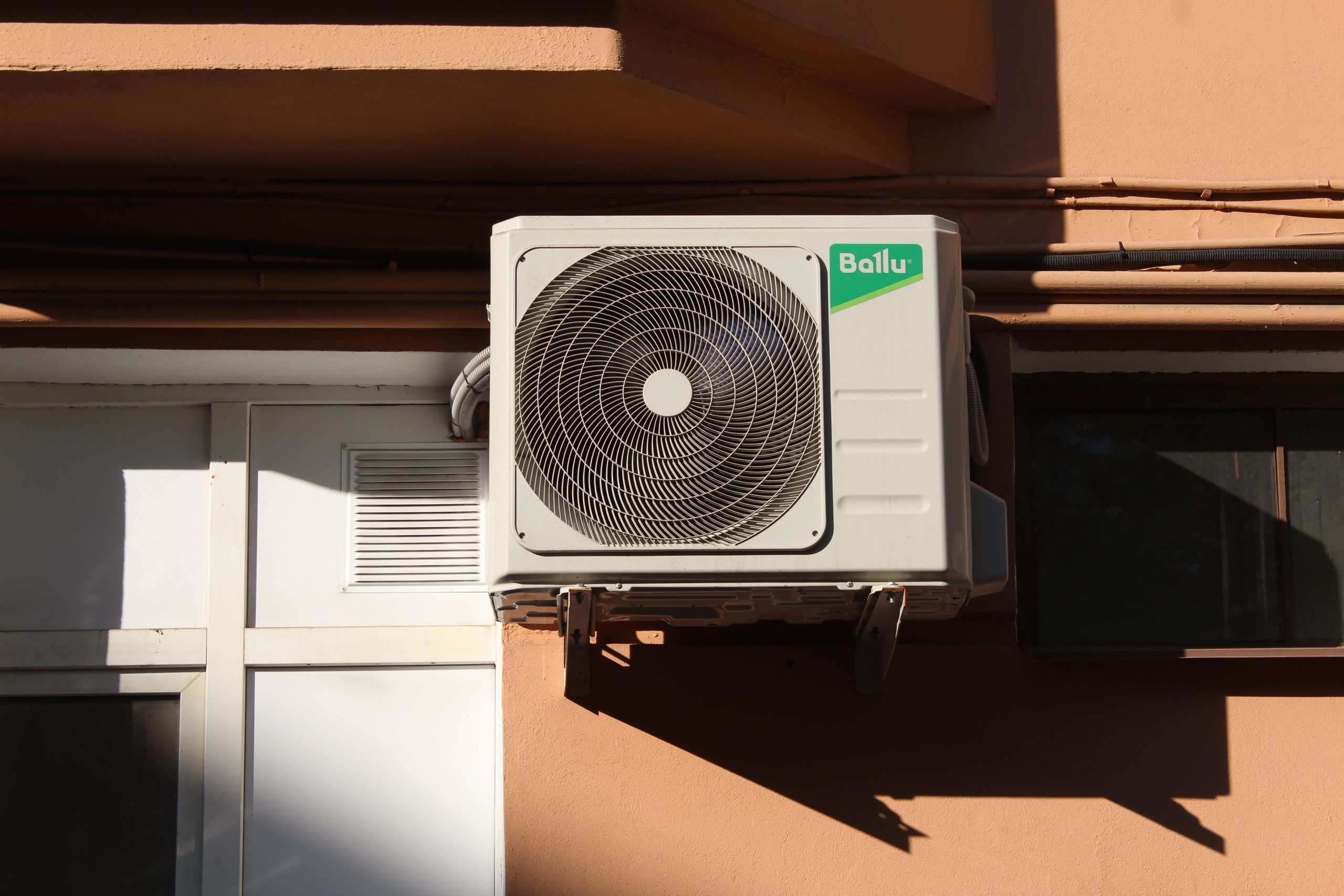
Heating and cooling equipment works best when it receives the maintenance recommended by its manufacturer.
Check HVAC filters regularly and replace or clean them according to the equipment and filter instructions. A dirty filter can restrict airflow and affect system performance.
Keep outdoor equipment clear of leaves, plants, and debris while maintaining the clearance recommended by the manufacturer. Do not cover vents or registers inside the home with furniture, rugs, or curtains.
Professional inspections may also be appropriate depending on your system. A technician can identify problems that are difficult for homeowners to detect, such as damaged components, airflow issues, or equipment that is not operating correctly.
11. Use Ceiling Fans Wisely
Ceiling fans can help people feel more comfortable by moving air around the room. However, fans cool people rather than lowering the actual room temperature in the same way an air conditioner does.
Turn fans off when a room is empty to avoid using electricity unnecessarily.
During warm weather, a ceiling fan may allow you to remain comfortable at a higher thermostat setting. Some fans also have a reversible direction intended to help redistribute warm air during cooler seasons.
Check the manufacturer’s instructions for the correct seasonal direction. Fan design can vary, so it is better to follow the guidance for your specific model.
12. Control Sunlight Through Your Windows
Windows can affect indoor temperatures throughout the year. Direct sunlight can add unwanted heat during warm weather, while solar warmth may sometimes be useful during cooler months.
Close blinds, curtains, or shades on windows receiving strong summer sunlight. This can reduce heat entering the room and may lower the demand on air conditioning.
In cooler weather, opening window coverings on sunny windows may provide some natural warmth during the day. Close them later when appropriate to reduce heat loss.
Exterior shading, such as properly placed awnings or landscaping, can also help in some climates. Consider how the sun moves around your home before making permanent changes.
13. Pay Attention to Refrigerator Efficiency
Your refrigerator operates around the clock, making efficient use important.
Make sure door seals are in good condition. A damaged or loose seal can allow cold air to escape. You can also reduce energy waste by deciding what you need before opening the refrigerator rather than leaving the door open while searching.
Use temperature settings recommended by the manufacturer or appropriate food-safety guidance. Setting the refrigerator much colder than necessary may increase energy use without providing additional benefit.
Allow hot foods to cool according to safe food-handling practices before storage, and avoid blocking internal air vents with tightly packed items.
If your refrigerator has accessible coils that require cleaning, follow the manufacturer’s instructions for safe maintenance.
14. Choose Efficient Appliances When Replacement Is Needed
Replacing a working appliance solely to save energy may not always make financial sense. However, efficiency should be considered when an old appliance reaches the end of its useful life.
Compare estimated energy use when shopping for refrigerators, dishwashers, washing machines, water heaters, air conditioners, and other major equipment.
Do not focus only on the purchase price. A less expensive appliance that uses considerably more energy could cost more over its lifetime.
At the same time, avoid buying a larger appliance than your household needs. Larger refrigerators, heating systems, and other equipment may consume more energy, and oversized heating or cooling equipment can create performance issues.
Consider purchase price, expected operating cost, capacity, reliability, and maintenance together.
15. Track Your Household Energy Use
You cannot easily improve what you never measure. Reviewing utility bills can help you understand how your household energy use changes throughout the year.
Compare usage rather than looking only at the dollar amount. Utility rates can change, so a higher bill does not always mean you consumed more energy.
Look for unusual increases and think about what changed during that period. Extreme weather, additional guests, new appliances, longer heating or cooling hours, or equipment problems can all affect consumption.
Some utilities provide online tools that show daily or hourly usage. If available, these tools can help you see when your household uses the most energy.
Tracking results can also show whether your improvements are working. Make one or two changes, monitor consumption, and continue adjusting your habits based on what you learn.
Conclusion
Lowering energy consumption at home does not require changing your entire lifestyle or completing an expensive renovation. Simple actions such as adjusting thermostat settings, sealing drafts, switching to LED lighting, washing clothes efficiently, and reducing hot water waste can all contribute to a more efficient household.
Start with changes that are inexpensive and easy to maintain. Then consider larger improvements when equipment needs replacement or when you identify a clear problem with insulation, air sealing, heating, cooling, or another part of the home. Prioritizing projects based on actual needs can help you avoid spending money on upgrades that provide little benefit.
Most importantly, think of energy efficiency as an ongoing process rather than a one-time project. Pay attention to your utility usage, maintain major equipment, and adjust household habits when needed. Small improvements may seem minor on their own, but when several are used consistently, they can help reduce energy waste while keeping your home comfortable throughout the year.
About the Author